

Investigational device. Not FDA-cleared. Not available for sale or commercial use. Information for evaluation purposes only
Investigational device. Not FDA-cleared. Not available for sale or commercial use. Information for evaluation purposes only


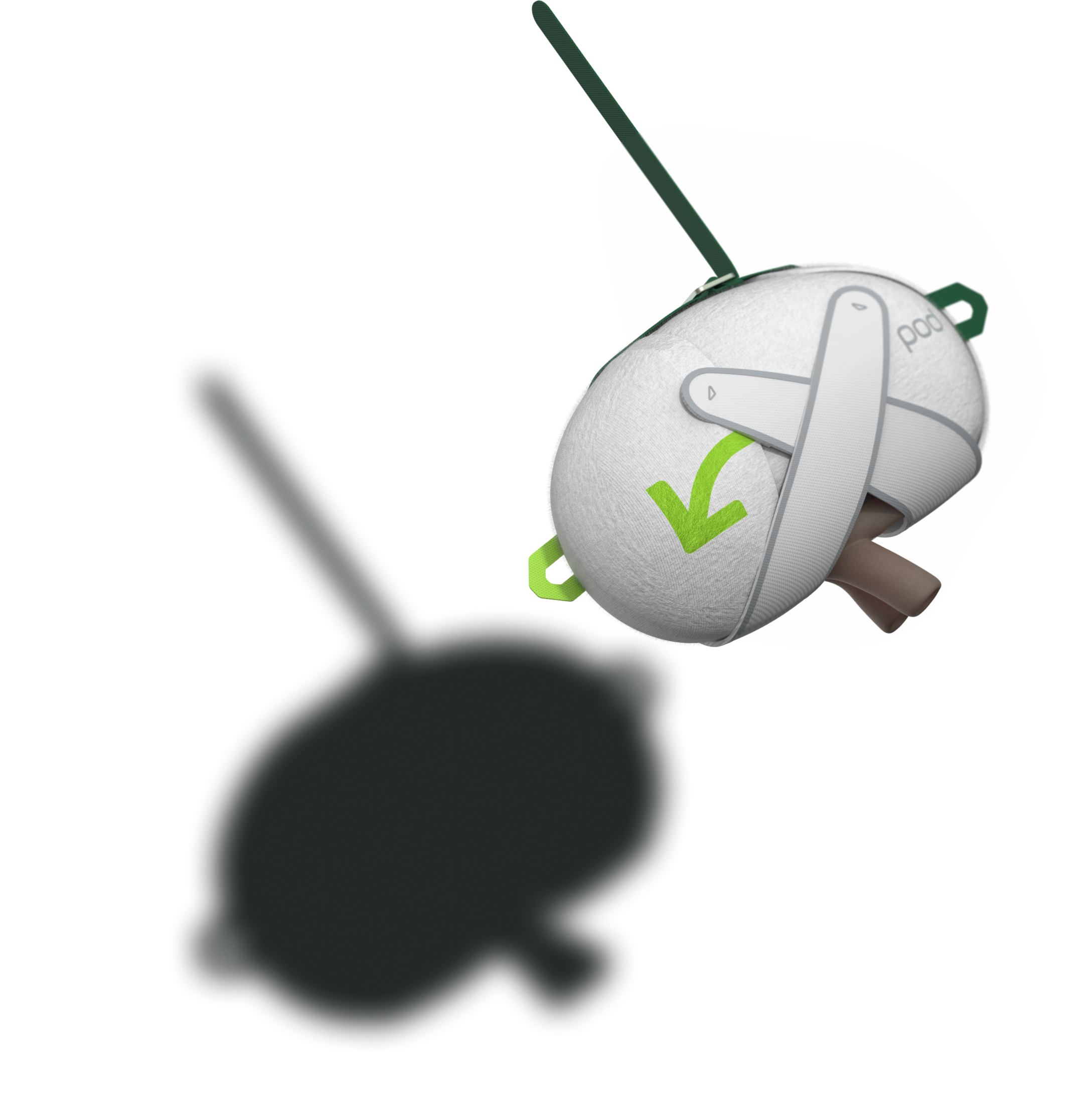
Intra operative
cooling, made easy.
We are seeking your perspectives on your current clinical practice, potential use cases, and your expectations around KidneyPod, which is currently under review by the U.S. Food and Drug Administration. Your input will help inform on-going clinical registry design. Indicating your interest in future research is entirely voluntary.
Read on to see the data, the design, and the story behind KidneyPod before you take the survey. We appreciate your support.
Product descriptions, images, or procedural use cases are presented solely for evaluation and feedback purposes and should not be interpreted as evidence of safety or efficacy.
Our kidneys are
cooler than yours.
Anastomosis time matters. Every:
1 min. increases risk of Delayed Graft Function by 5% ⁴
5 min. increases length of hospitalisation by 1 day ⁵
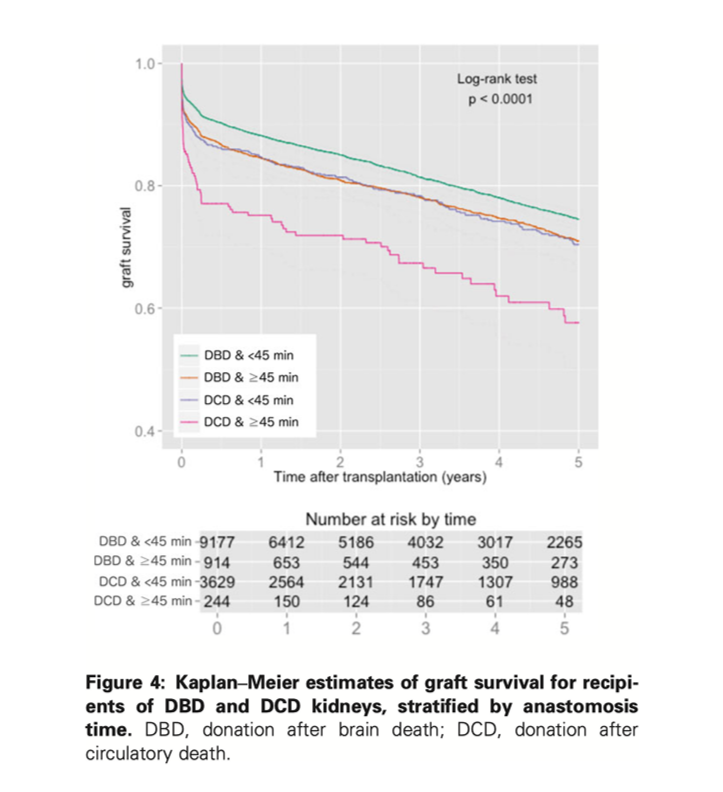
10 min. increases the risk of five-year Graft Failure by 10%⁶
KidneyPod
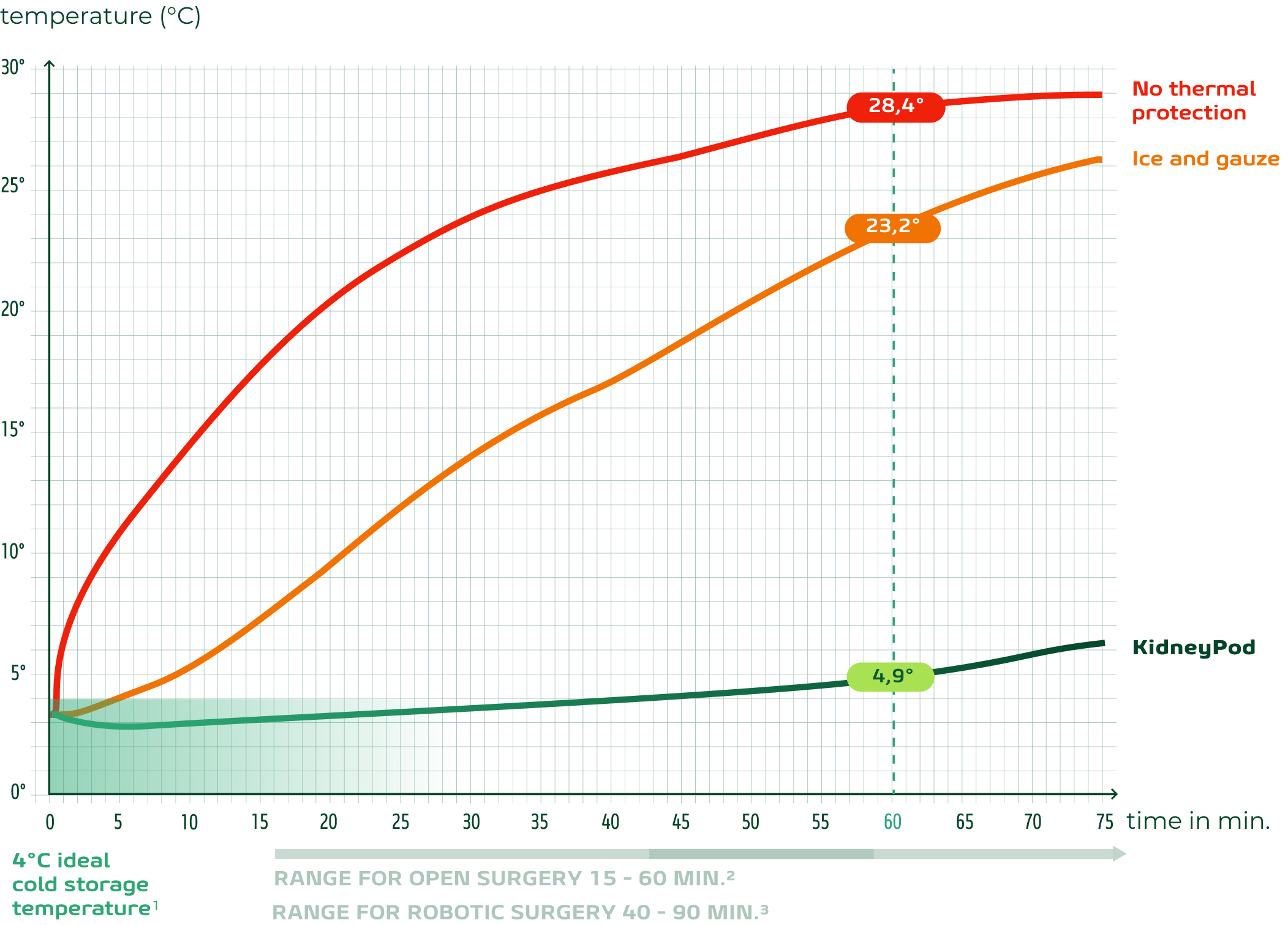
60 minutes at + 4°C / 39°F*
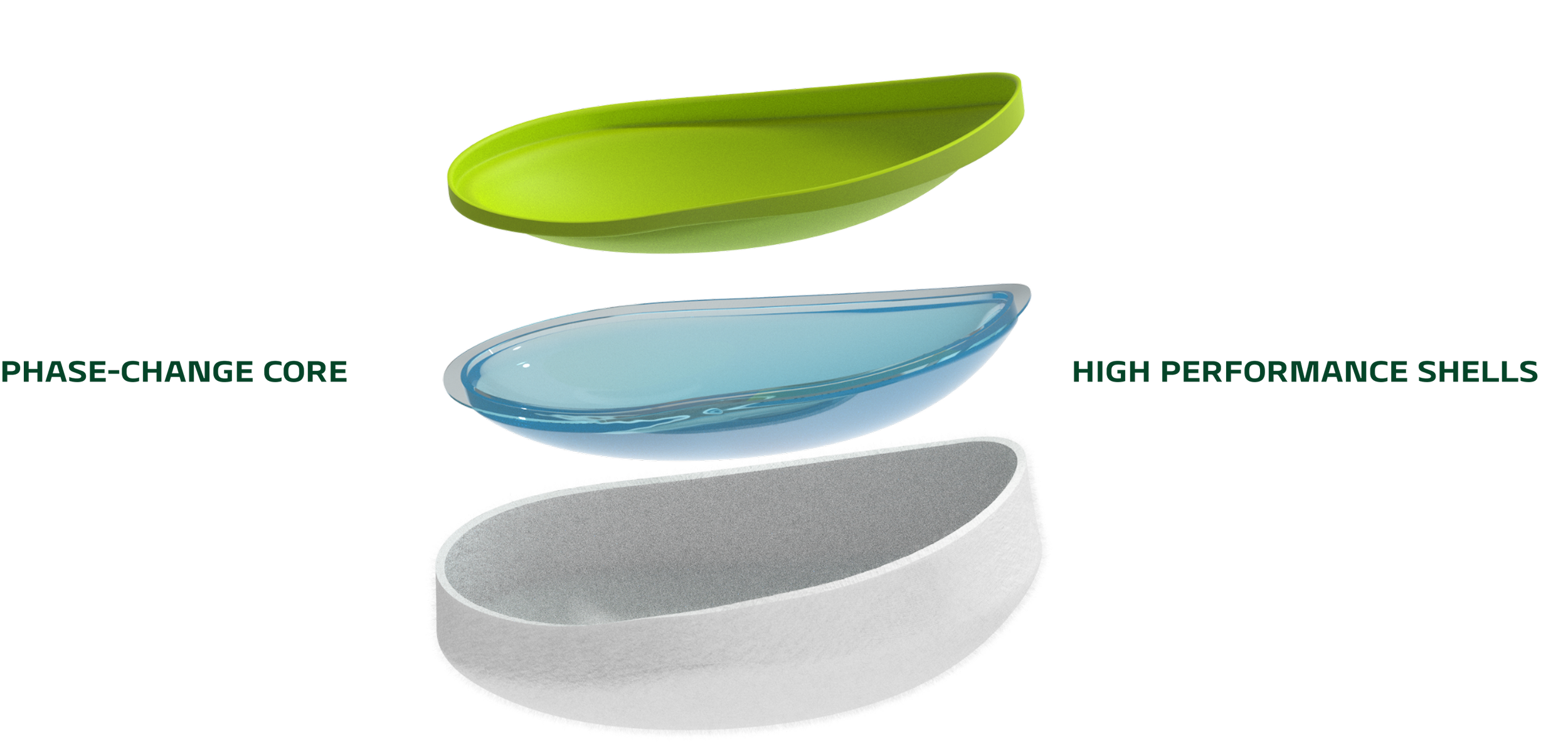
Phase-change cooling, aerospace-grade insulation. Designed for the moment between ice and reperfusion.
The culprit is heat.
But don’t take our word for it.
Independent Data on Warm Ischemia & Graft Outcomes: The studies below reveal the undeniable impact of warm ischemia and the value of intra-operative cooling. We’ve trimmed each abstract to the essentials.
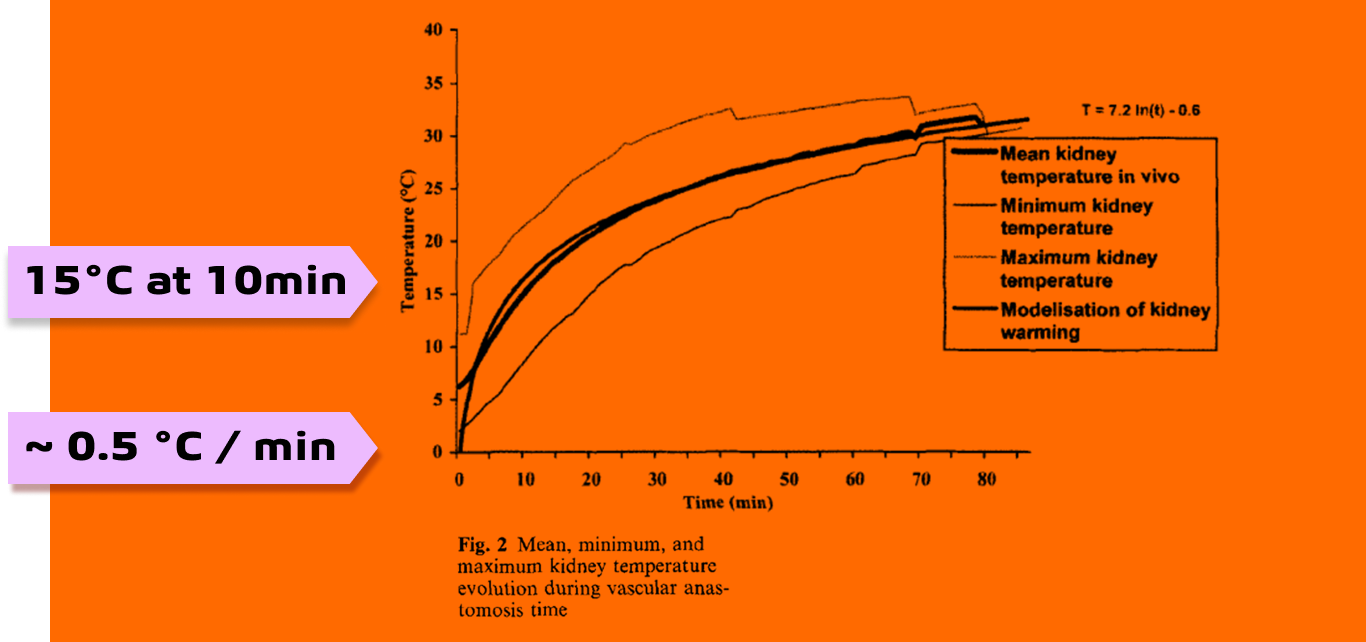
Kidneys warm during sew-in
Clinical testing (Feuillu 2003) measured a warming rate of ~ 0.5 °C / min under crushed-ice gauze; ten minutes of sewing can push cortical temperature past 15 °C. This testing has been replicated and published by teams around the world.
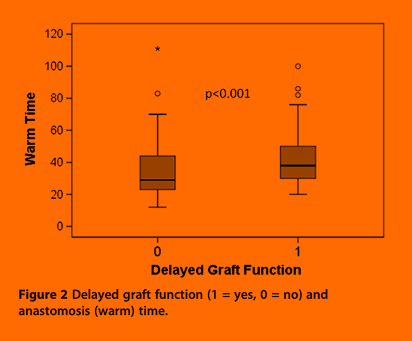
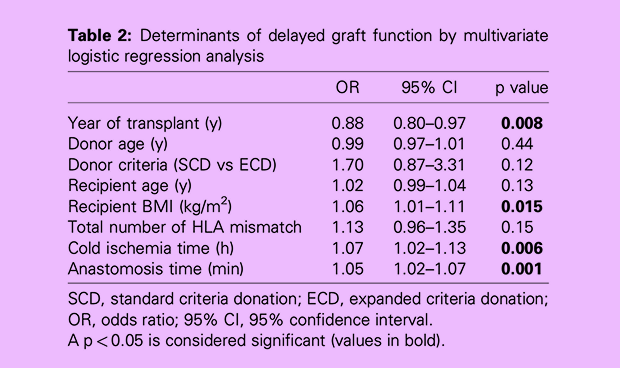
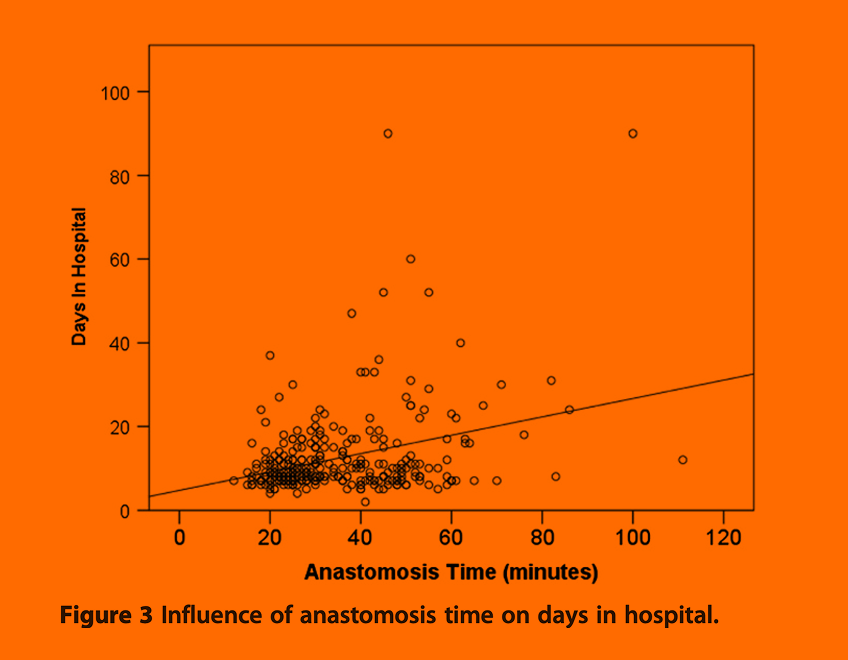
Warming injury contributes to graft loss
Eurotransplant cohort analysis of 13,964 kidneys (Heylen 2017) attributed ~ 7 % of five-year graft loss to the second warm ischemia period alone. In the US, SRTR dataset analysis of 6,397 DCD grafts (Cron 2022) found a 21% relative increase in graft failure in patients that had a long second warm ischemia time.
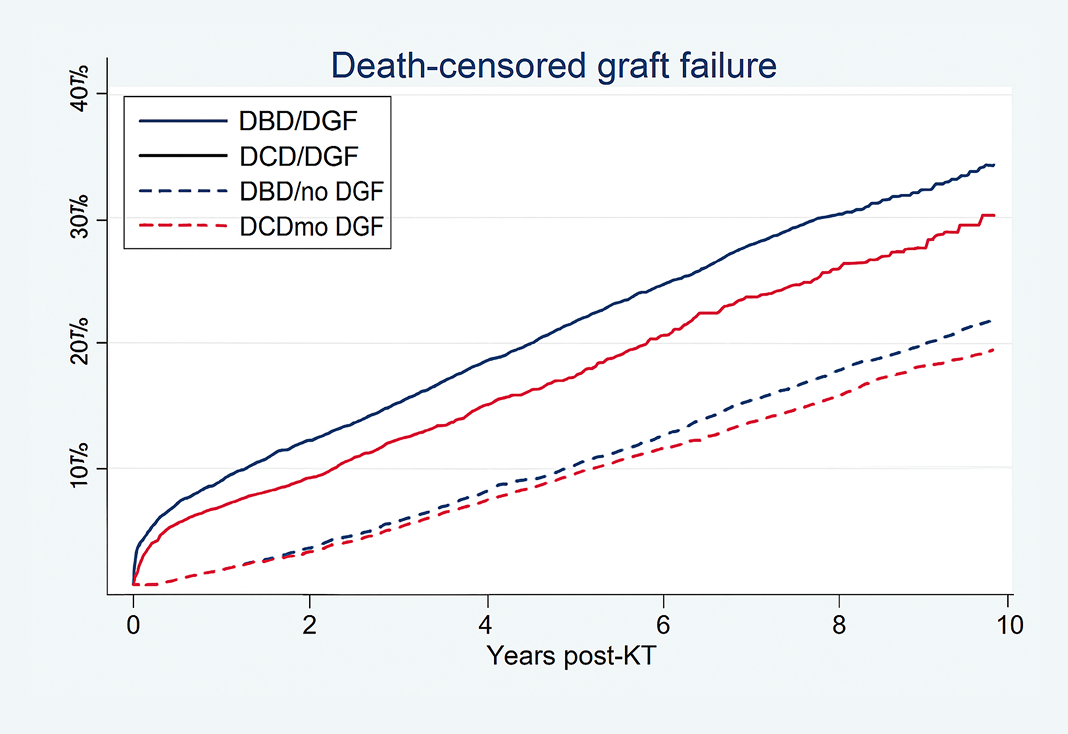
DGF predicts early graft loss
Massie & Segev (2017)
SRTR registry analysis of 76,114 deceased-donor kidney transplants showed that recipients who developed DGF had a markedly higher risk of death-censored graft failure than those without DGF—regardless of donor type (DBD or DCD).
“Consequently, DCD kidneys will have outcomes similar to DBD kidneys when their sums of donor WIT and anastomosis times are comparable to the anastomosis times of a DBD kidney.”
Continuous cooling can mitigate injury
Kamińska (2016)
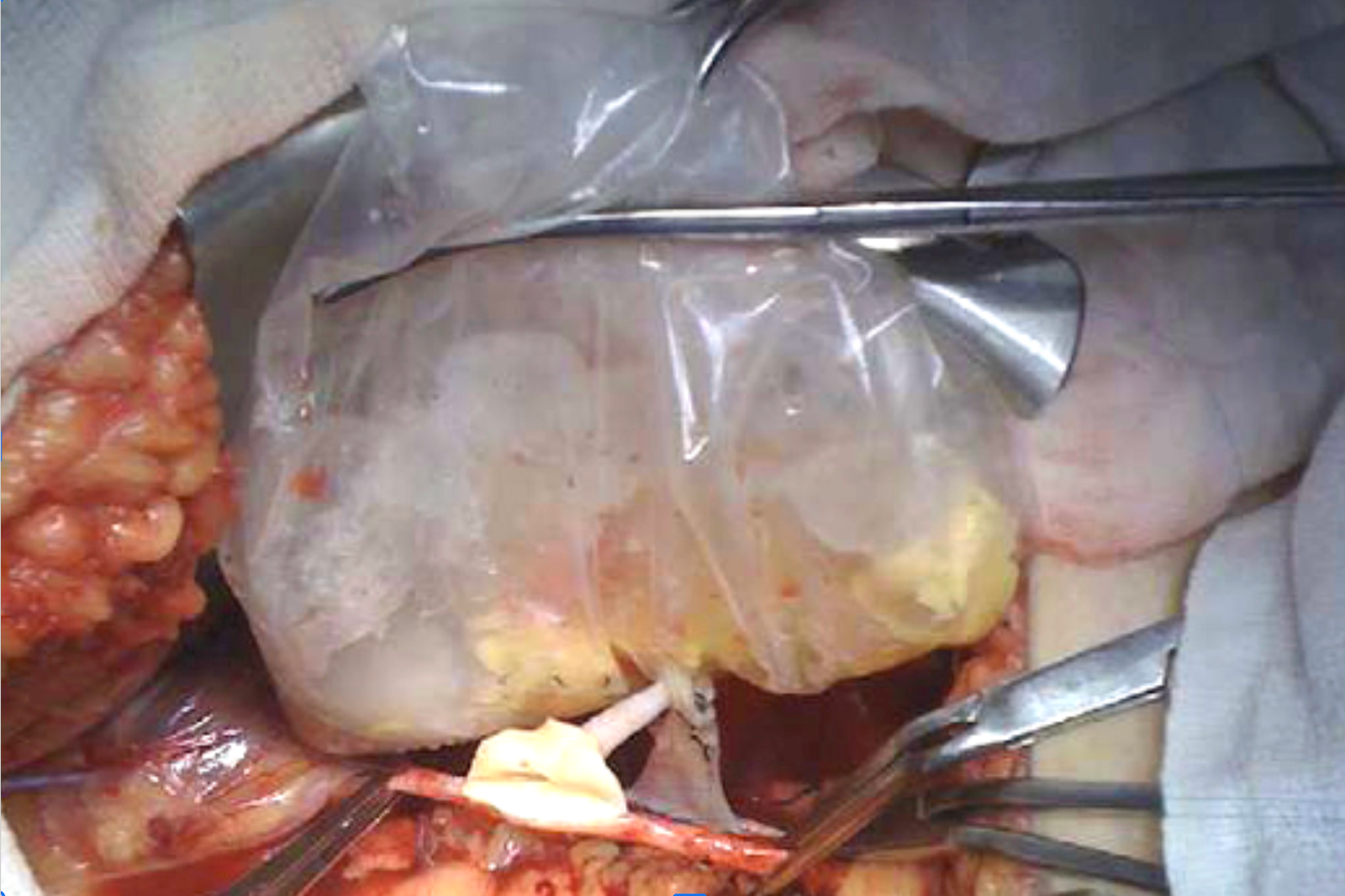
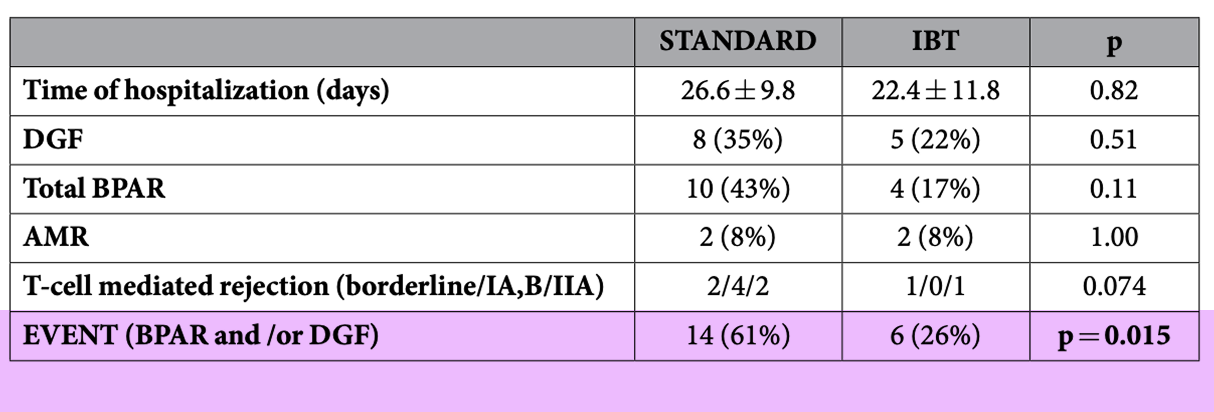
A prospective clinical study (Kamińska 2016) tracked 46 matched-pair kidneys; two kidneys were procured from the same donor - one of them was transplanted into a recipient using kidney surface cooling (ice bag technique) and the other using a standard technique. Despite the small n, they found statistically significant lower rates of DGF and/or Biopsy-proven acute rejection with intra-operative cooling.
Human-centered insights meet precision thermodynamics. We built KidneyPod around existing surgeon habits and workflows. Every part is tuned for space, weight, and thermal performance, creating a tool that disappears into your surgical routine.
Keep your cool.
DESIGNED FOR QUICK AND EASY APPLICATION & REMOVAL
SIZE MATTERS
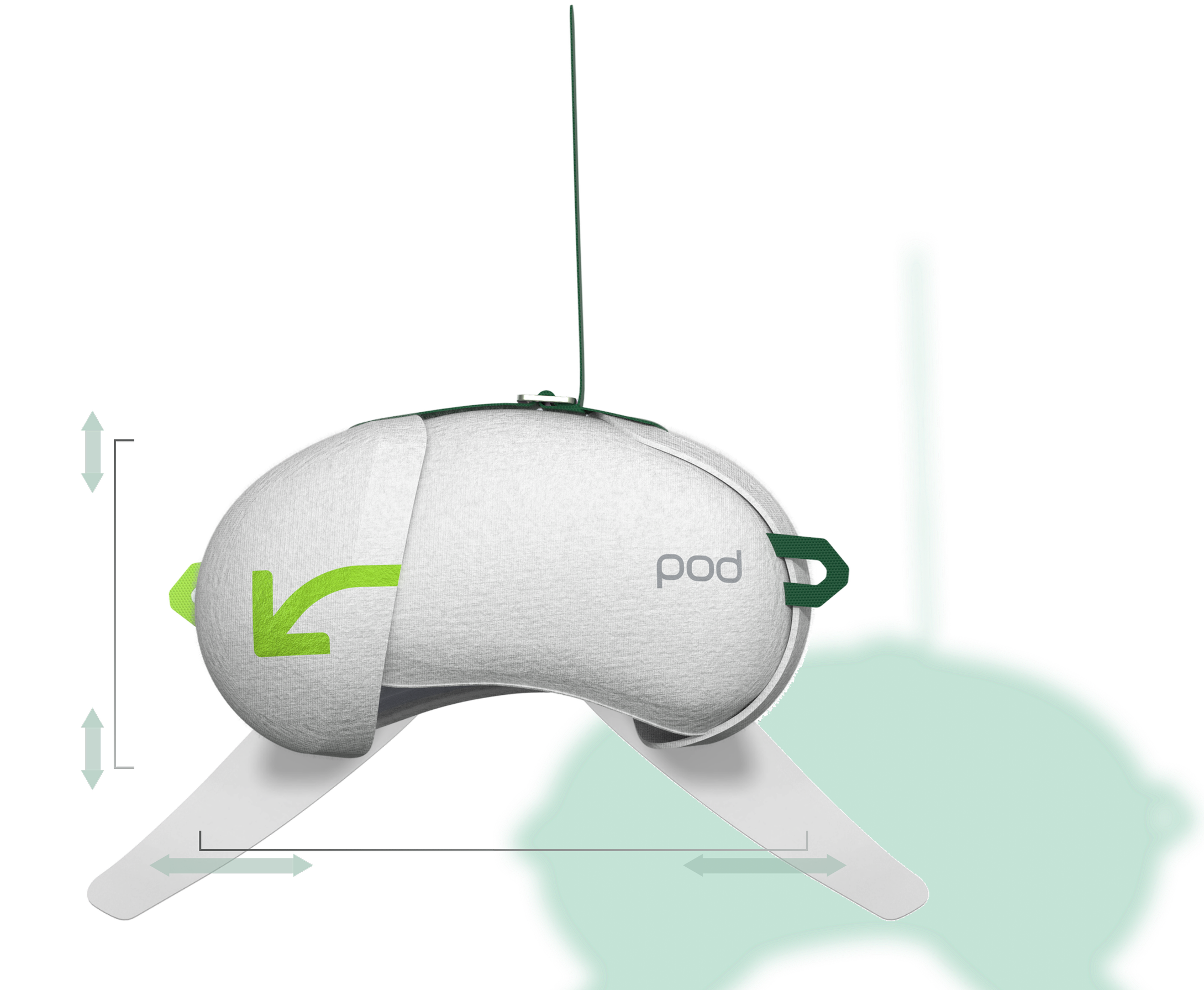
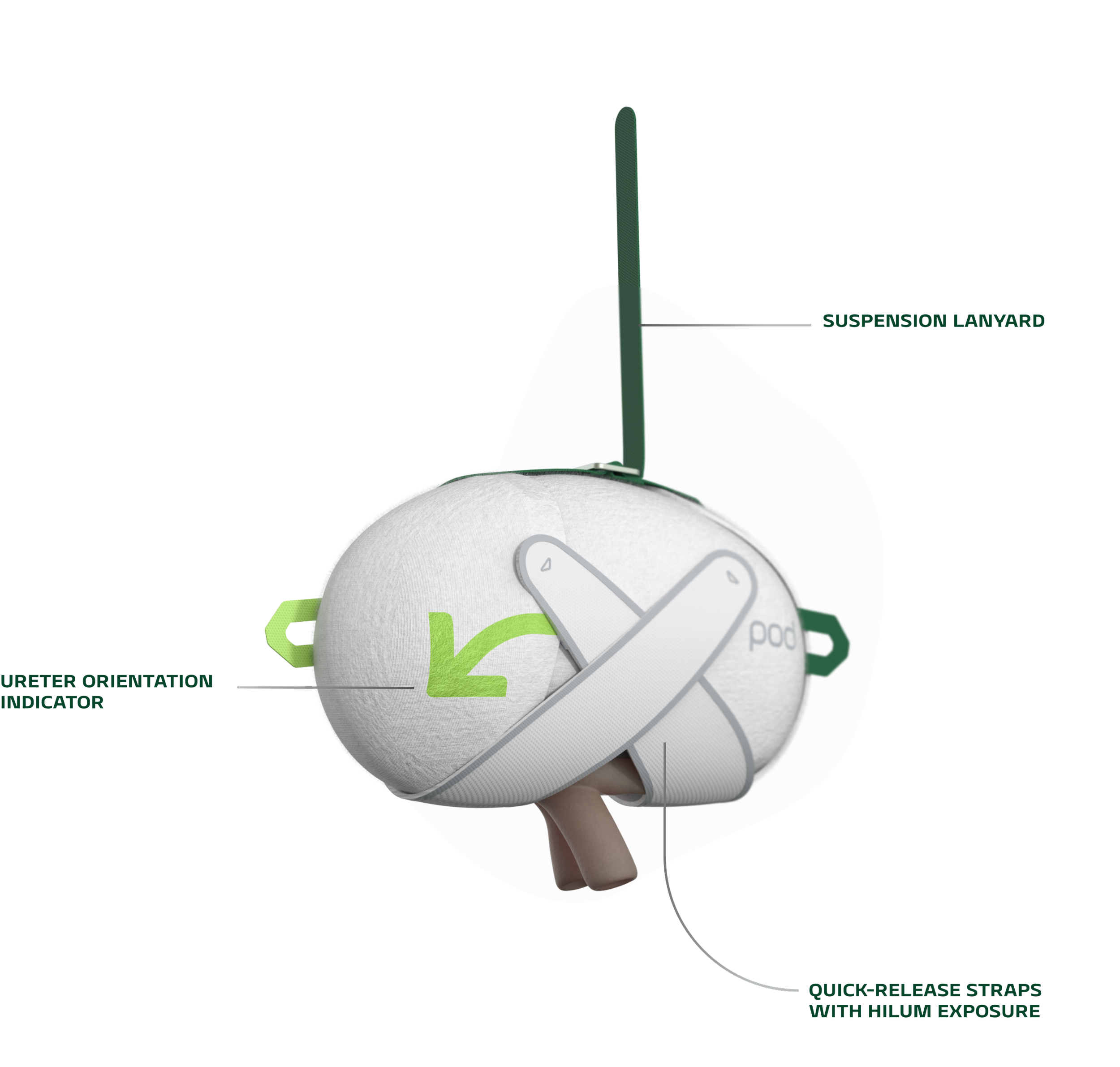
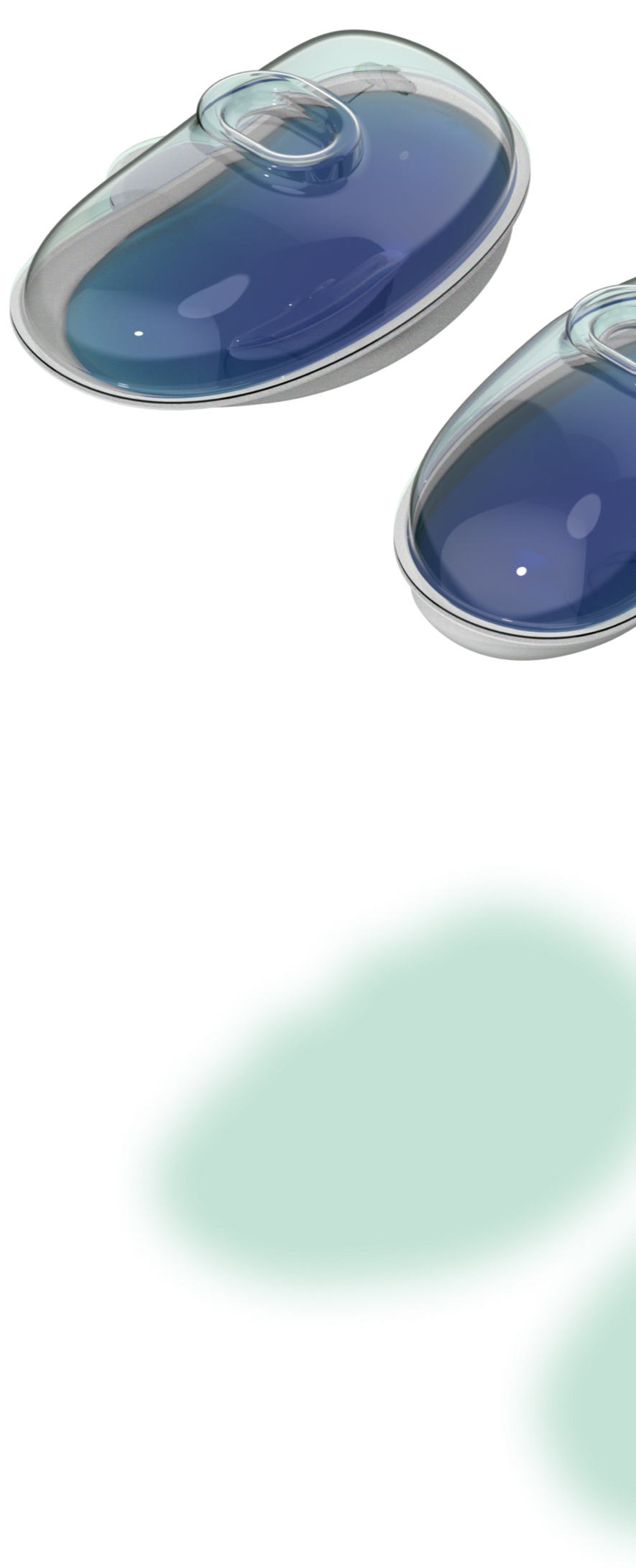
Our intersecting-shell design adapts to fit every graft length and width. Snug enough to guard the parenchyma, slim enough to maintain visibility. Flex-fit straps fine-tune hilar exposure to your preference.
DEVELOPED FOR USABILITY
Feather-light shells keep exposure, clamps, and robotic arms fully in view while the core holds temperature through the entire sew-in.
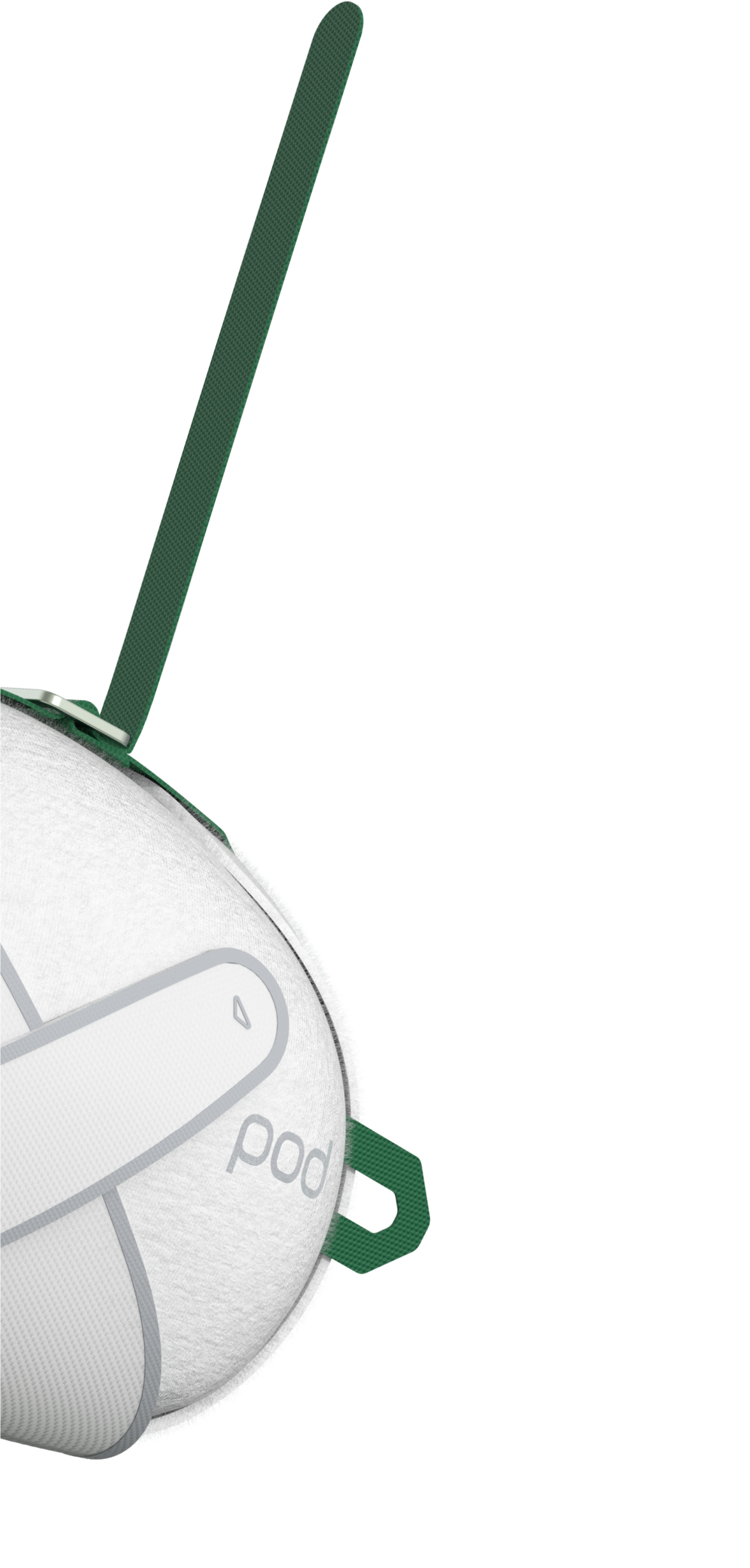
ROBOTIC HANDLES
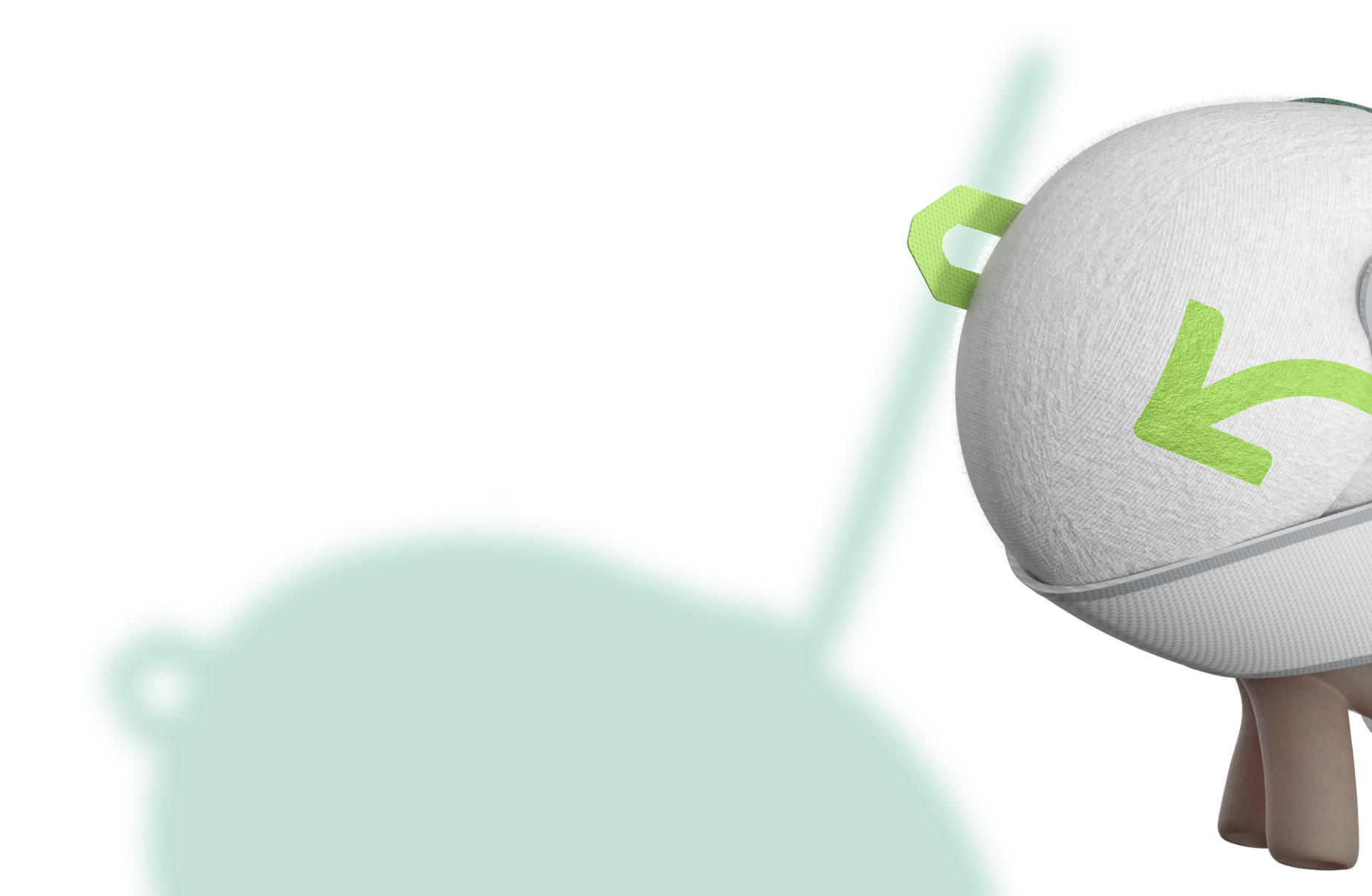
Doubling as an orientation indicator, dual side-tabs give surgeons a tool to grasp: clamp, position, release—in one move.
KidneyPod is designed to trim up to 20 minutes from robotic cases while preserving anastomotic exposure.⁸
BACK-TABLE READY
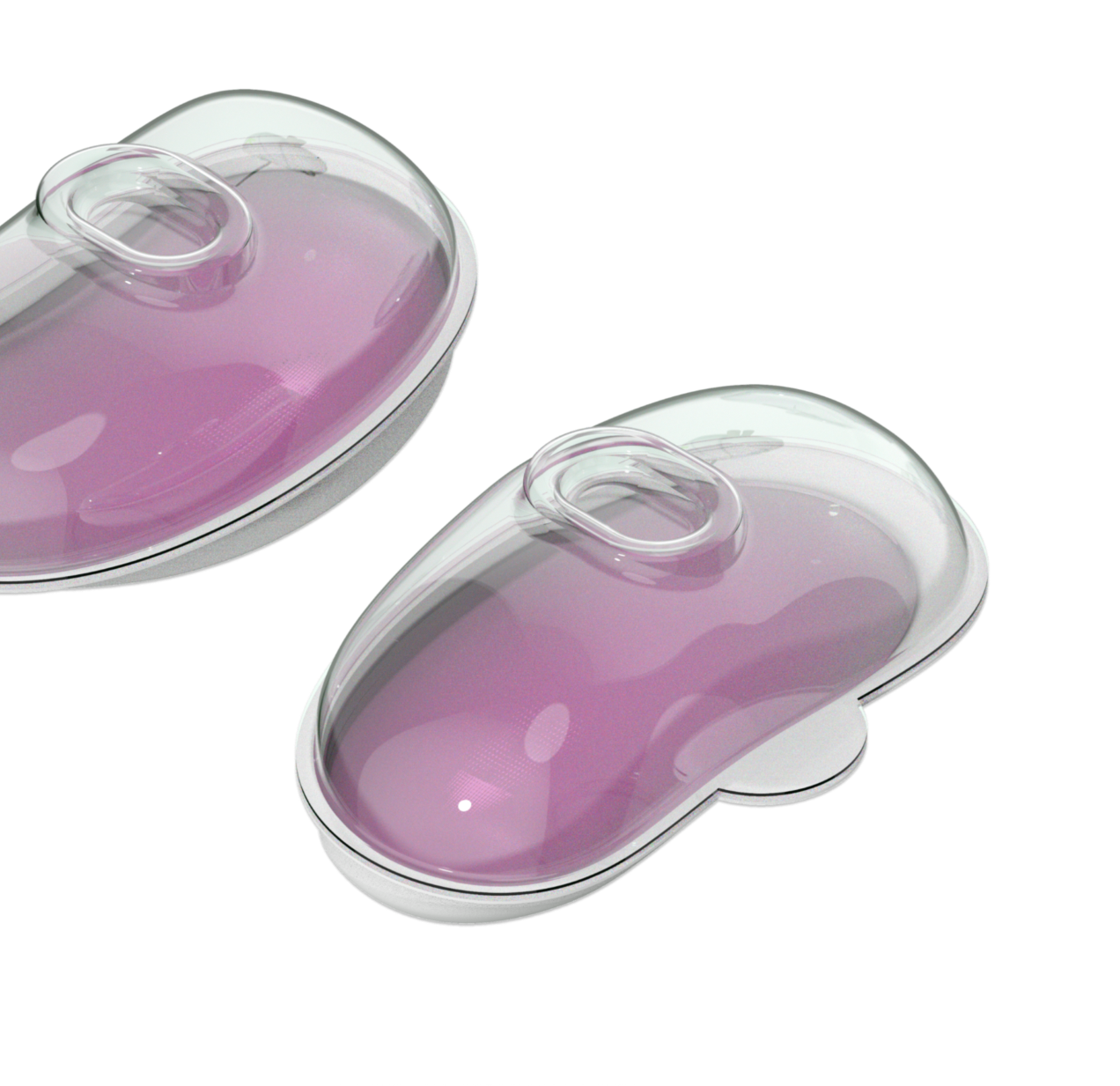
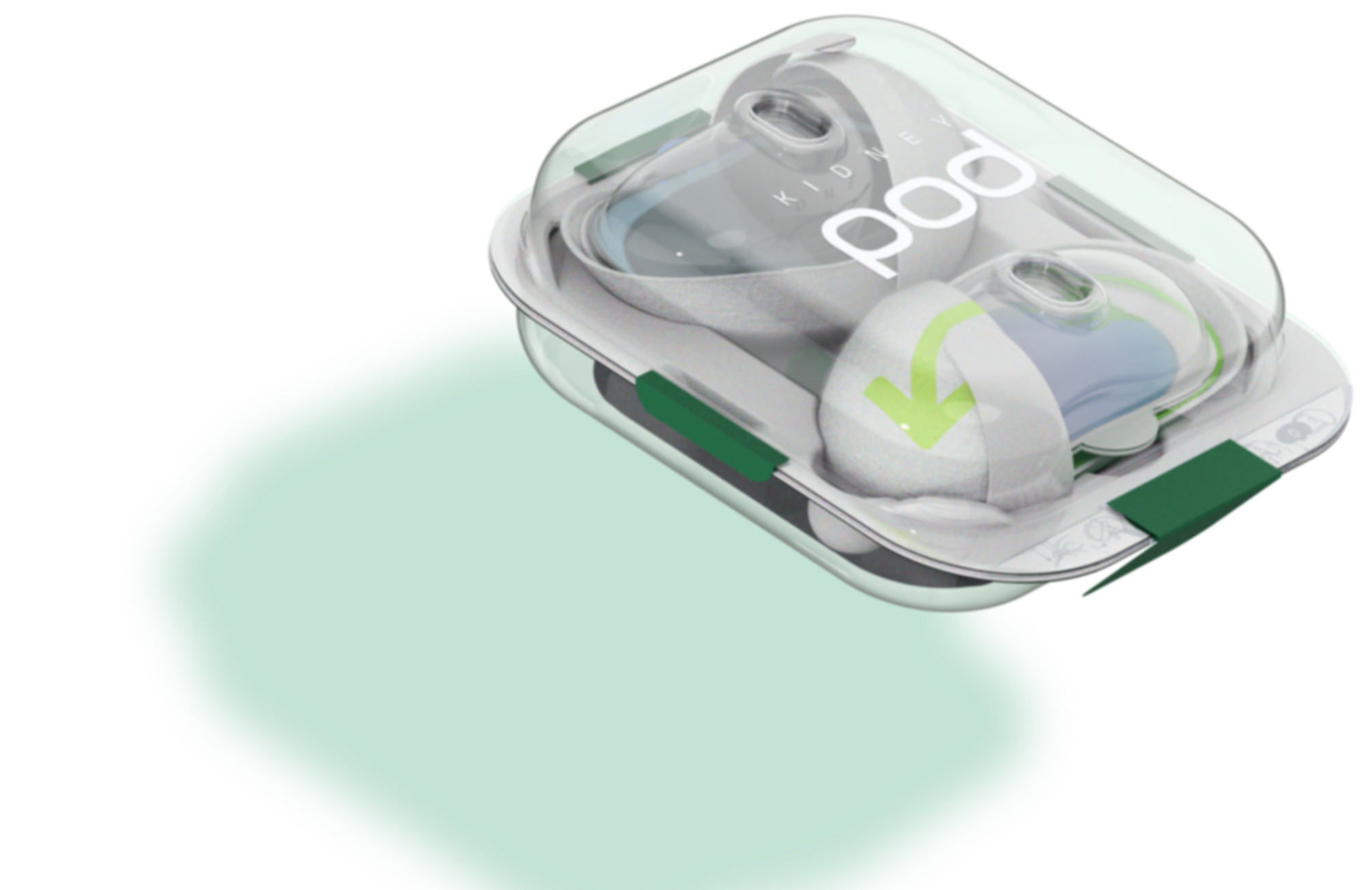
KidneyPod is thermally charged in your freezer.
The Cool-Bean inserts are designed to give the team a one-hour thermal buffer before anastomosis start. So it’s ready when you are.
*Graft maintained at 4 ± 3°C for 60 minutes. Test conducted with porcine kidneys (n=3) in 37°C water bath. Mean temperature presented. 1) Grace PA. Ischaemia-reperfusion injury. British Journal of Surgery. 1994;81(5):637-647. 2) Tennankore KK, Kim SJ, Alwayn IPJ, Kiberd BA. Prolonged warm ischemia time is associated with graft failure and mortality after kidney transplantation. Kidney International. 2016;89(3):648-658. 3) Gallioli A, Territo A, Boissier R, et al. Learning Curve in Robot-assisted Kidney Transplantation: Results from the European Robotic Urological Society Working Group. Eur Urol. 2020;78(2):239-247. 4) Heylen L, Naesens M, Jochmans I, et al. The effect of anastomosis time on outcome in recipients of kidneys donated after brain death: a cohort study. Am J Transplant. 2015;15(11):2900-2907.5) Marzouk K, Lawen J, Alwayn I, Kiberd BA. The impact of vascular anastomosis time on early kidney transplant outcomes. Transplant Res. (2013) 2:8. 6) Heylen L, Pirenne J, Samuel U, et al. The impact of anastomosis time during kidney transplantation on graft loss: a eurotransplant cohort study. Am J Transplant. 2017;17(3):724-732. 7) Khan T, Kwarcinski J, Boughton P, et al. Insulating jackets thermally protect kidneys in an ex vivo model of second warm ischemia. Artificial Organs. 2022. 8) Internal Diatiro testing. Gauze and ice wrap application and removal time (n=5 robotic cases) compared to KidneyPod. Maximum time presented.